To focus on core issues in the field of energy catalysis, build a high-level platform for academic exchange and cooperation, and empower discipline innovation alongside the collaborative cultivation of talent through science and education, the “Frontier Forum on Energy Catalysis” was held in Shenyang from January 9 to 11. The event was hosted by Liaoning University (LNU) and organized by the College of Chemistry. Pan Yishan, Secretary of the CPC LNU Committee and Academician of the Chinese Academy of Engineering, attended the opening ceremony and delivered a speech. The ceremony was presided over by Lu Anhui, Vice President of LNU, with Zhang Xinghong, Assistant to the President, also in attendance.
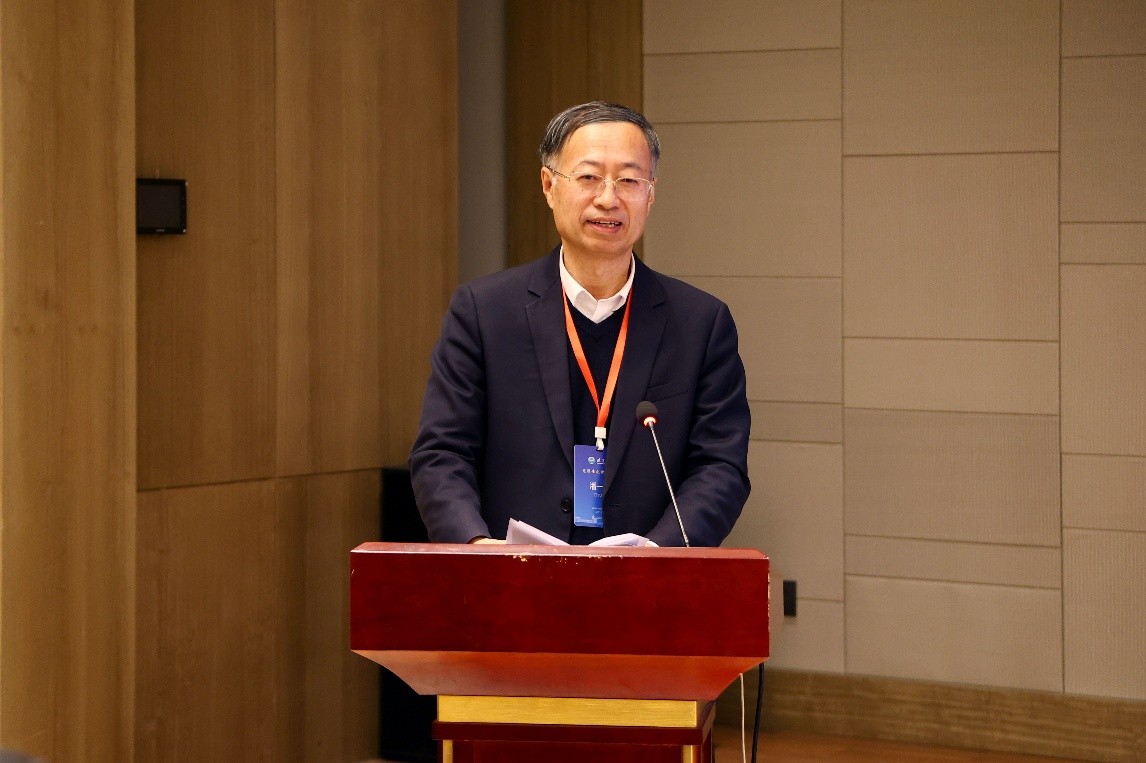
At the opening ceremony, Pan Yishan extended a warm welcome to all distinguished guests on behalf of the university and expressed heartfelt gratitude to those who have long supported the development of LNU’s chemistry and chemical engineering disciplines. He pointed out that energy catalysis, as a core field serving major national strategic needs, is a key support for driving high-quality development and practicing green development concepts. It plays an irreplaceable role in new energy development, the upgrading of traditional industries, and the realization of the Dual Carbon Goals. Pan systematically introduced LNU’s achievements in the “Double First-Class” construction and its “Three Walks” educational philosophy, emphasizing the breakthrough progress made in chemistry, environmental science, and engineering since the implementation of the university’s plan to revitalize science and engineering disciplines. He stated that the College of Chemistry, as an important pillar of the university’s science and engineering development, has deeply cultivated the field of energy catalysis for years. Its research outcomes in clean coal conversion, efficient catalytic hydrogen production, and high-value utilization of carbon dioxide have provided strong technological support for the green transformation of regional industries. He expressed hope that this forum would serve as a bond to pool wisdom, build consensus on cooperation, drive original breakthroughs in energy catalysis, and contribute to national self-reliance in science and technology.
During the academic report session, top experts and scholars from prestigious universities and research institutes—including Tsinghua University, Zhejiang University, the University of Science and Technology of China, Shanghai Jiao Tong University, East China University of Science and Technology, as well as the Dalian Institute of Chemical Physics and the Institute of Metal Research of the Chinese Academy of Sciences—focused on core directions such as breakthroughs in basic research, frontier technological innovation, and interdisciplinary integration. They comprehensively shared the latest research progress and practical achievements in the field of energy catalysis and engaged in in-depth discussions on core scientific problems and future development directions. The reports covered multiple dimensions, including the precise design of catalytic materials, the enhancement of energy conversion efficiency, and the research and development of low-carbon technologies, combining theoretical depth with practical application value.
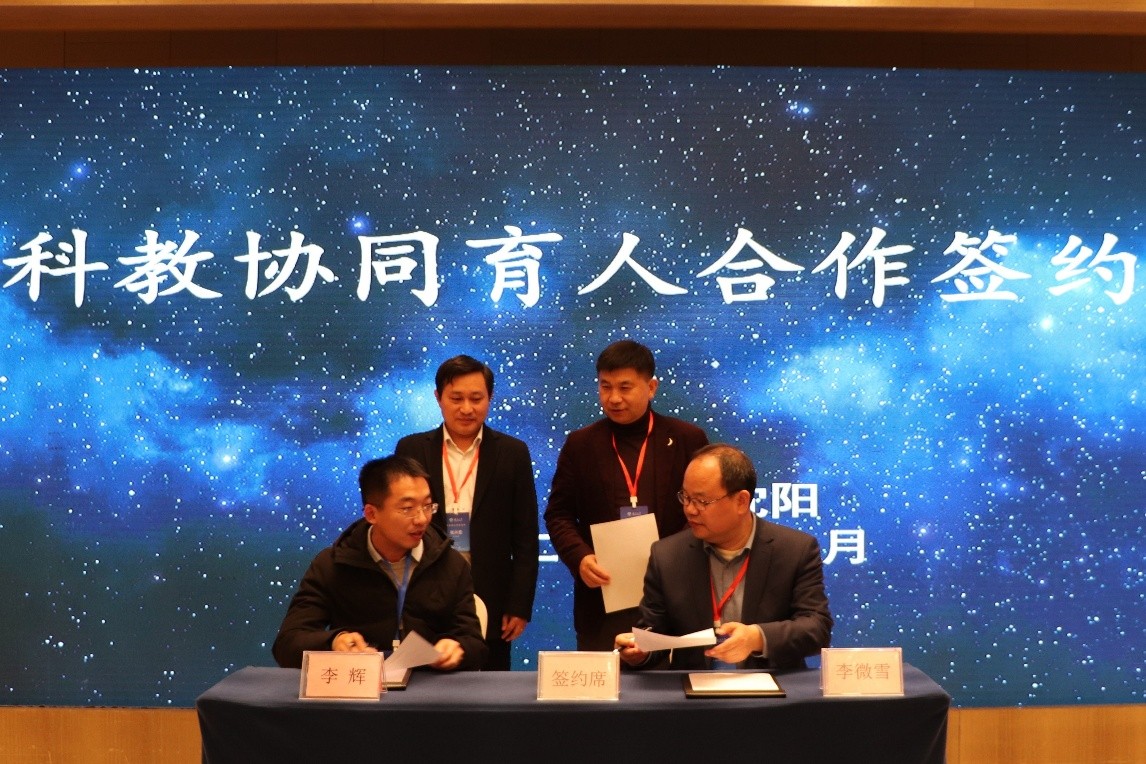
During the forum, a signing ceremony for science-education collaborative talent cultivation was also held.
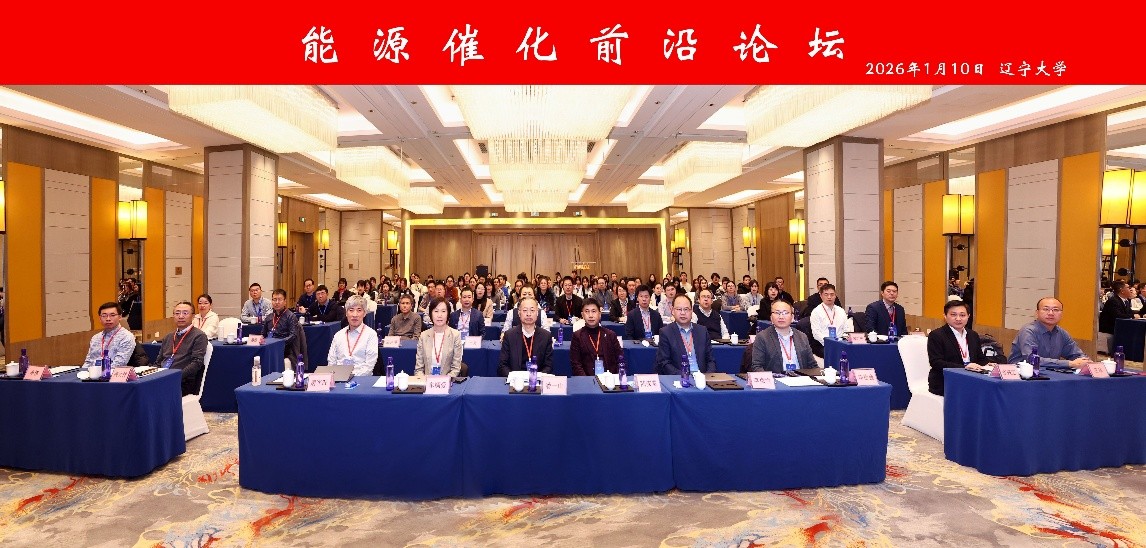
The successful hosting of the Frontier Forum on Energy Catalysis has not only built an efficient academic exchange platform for domestic and international experts in the field and promoted knowledge sharing and technical synergy, but has also deepened the integration of industry, academia, and research through the science-education collaboration agreement, laying a solid foundation for the high-quality development of the chemistry and chemical engineering disciplines.