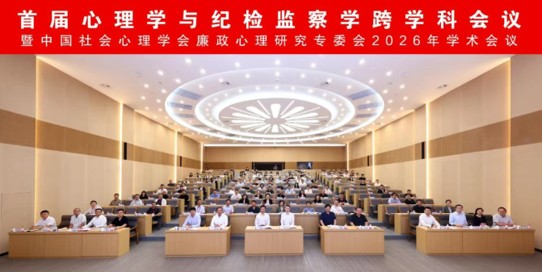
On July 4, the First Interdisciplinary Conference on Psychology and Discipline Inspection and Supervision Studies, and the 2026 Academic Conference of the Anti-corruption Psychology Research Committee of the Chinese Association of Social Psychology, was held at Liaoning University’s Puhe Campus. Aimed at promoting the integrated development of psychology and discipline inspection and supervision studies and supporting the high-quality development of discipline inspection and supervision work, the conference was jointly hosted by the Liaoning Provincial Discipline Inspection and Supervision Association, the Anti-corruption Psychology Research Committee of the Chinese Association of Social Psychology, and Liaoning University, and organized by the Liaoning Provincial Key Laboratory of Psychological Testing and Behavior Analysis (Liaoning University). More than 150 experts and scholars from universities, research institutions, and practical discipline inspection and supervision departments attended. Yu Miaojie, Deputy Secretary of the CPC Committee and President of Liaoning University; Cui Lijuan, Vice President of the Chinese Association of Social Psychology and Chair of its Anti-corruption Psychology Research Committee; and Li Feng, Member of the Standing Committee and Secretary-General of the CPC Liaoning Provincial Commission for Discipline Inspection, attended and delivered remarks. The opening ceremony was chaired by Wang Peng, Member of the Standing Committee of the CPC Committee of Liaoning University and Secretary of the University Commission for Discipline Inspection.
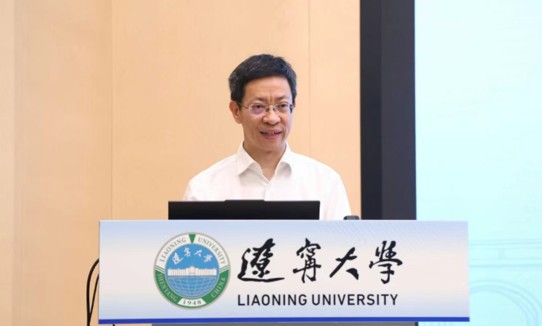
Yu Miaojie delivers remarks
Yu Miaojie noted in his remarks that the development of Discipline Inspection and Supervision Studies requires multidisciplinary support. The conference, he said, built a platform for exchanges between psychology and Discipline Inspection and Supervision Studies, thereby helping serve the Party’s self-reform. With a long and rich academic tradition, Liaoning University has drawn on the Liaoning Provincial Key Laboratory of Psychological Testing and Behavior Analysis to deepen research on anti-corruption psychology. By bringing together scholars from different fields for in-depth discussions, the conference helped promote interdisciplinary innovation and empower the high-quality development of discipline inspection and supervision.
Cui Lijuan said the conference focused on the integration of psychology and discipline inspection and supervision by bringing together experts from multiple fields for theoretical and practical discussions. It aimed to break down disciplinary barriers, facilitate the application of research findings, improve the anti-corruption psychology research system, and explore mechanism-building for the integrated system in which officials do not dare, are not able, and have no desire to commit corruption, providing scientific support and practical solutions for anti-corruption work.
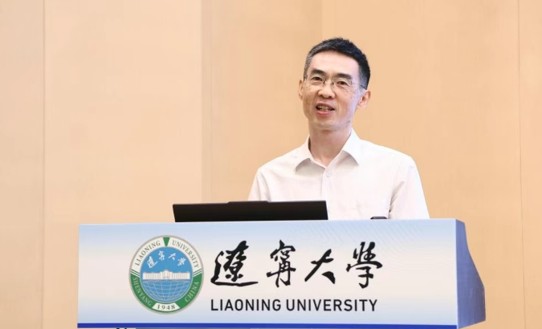
Li Feng delivers remarks
Li Feng said that in recent years, Liaoning has continued its efforts to improve conduct and combat corruption, with its political ecosystem steadily improving. The Liaoning Provincial Commission for Discipline Inspection and the Liaoning Provincial Supervisory Commission have deepened cooperation with Liaoning University, jointly building laboratories related to anti-corruption psychology and achieving practical results. He noted that corruption has close ties with unhealthy psychological factors and that multidisciplinary collaboration is needed to address the challenge of resisting corruption and guarding against moral degeneration. He expressed hope that the conference would clarify the psychological mechanisms of corruption, provide psychological support for integrity-risk intervention and integrity culture development, and generate practical outcomes through interdisciplinary integration.
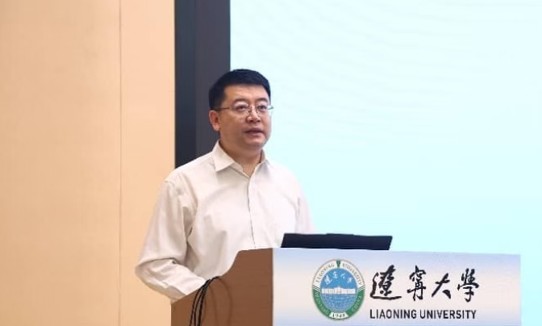
Wang Peng chairs the opening ceremony and the first keynote session
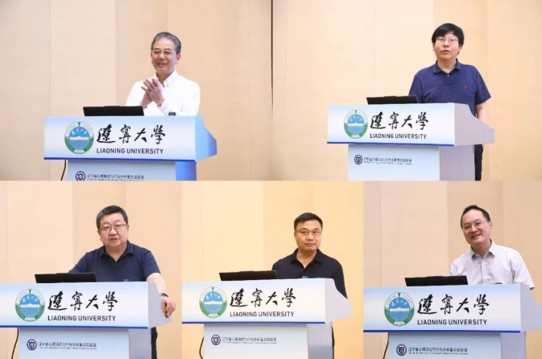
During the first keynote session, Yu Miaojie gave a systematic presentation on “Research on the Economics of Anti-Corruption.” Guo Weilu, Convener of the Discipline Inspection and Supervision Discipline Appraisal Group of the Academic Degrees Committee of the State Council and former Secretary of the CPC Committee of East China University of Political Science and Law, discussed “Mental Health Education and the Training of Discipline Inspection and Supervision Professionals.” Zhou Xiaolin, Chair of the Teaching Steering Committee for Psychology of the Ministry of Education, former President of the Chinese Psychological Society, Dean of the School of Psychology and Cognitive Science at East China Normal University, and Editor-in-Chief of Psychological Science, explained the theoretical basis and practical reflections of psychology in serving the integrated “three noes” anti-corruption strategy. Liu Zhigang, Member of the Discipline Inspection and Supervision Discipline Appraisal Group of the Academic Degrees Committee of the State Council and Executive Dean of the Institute for Discipline Inspection and Supervision, Fudan University, elaborated on the generative logic, practical obstacles, and development pathways of China’s independent knowledge system for Discipline Inspection and Supervision Studies from an interdisciplinary perspective. Tang Qingli, lead expert for Discipline Inspection and Supervision in the development of original Chinese textbooks, member of the Teaching Steering Committee for Legal Education of Universities and Colleges under the Ministry of Education, and Deputy Secretary of the CPC Committee of Chengdu University of Technology, clarified the ethical boundaries of digital supervision and the disciplinary connotation of psychology for discipline inspection and supervision from the perspective of the governance-of-power foundation of discipline inspection and supervision. Ni Xing, Professor and Changjiang Scholar at the School of Discipline Inspection and Supervision, Renmin University of China, systematically discussed the design and evaluation of integrity governance mechanisms. The first keynote session was chaired by Wang Peng.
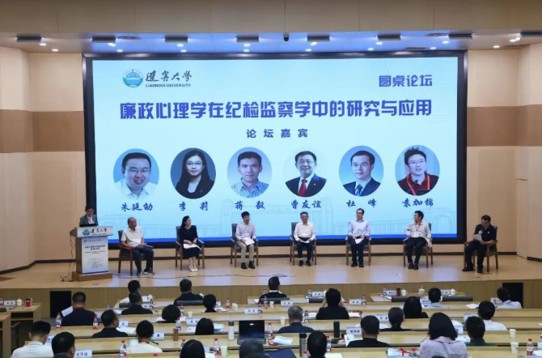
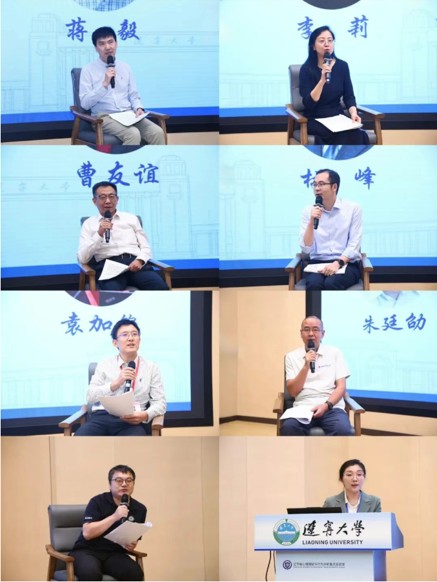
During the second keynote session, six experts joined a round-table titled “Research and Application of Anti-corruption Psychology in Discipline Inspection and Supervision Studies.” They were Jiang Yi, Director of the Institute of Psychology, Chinese Academy of Sciences; Director of the State Key Laboratory of Cognitive Science and Mental Health; and Editor-in-Chief of Acta Psychologica Sinica; Cao Youyi, Deputy Secretary of the CPC Committee and Secretary of the Commission for Discipline Inspection of East China Normal University; Li Li, Vice Dean of the School of Discipline Inspection and Supervision and Vice Dean of the National Academy of Supervision, China University of Political Science and Law; Du Feng, Deputy Director of the Division of Social and Engineering Psychology at the Institute of Psychology, Chinese Academy of Sciences, Deputy Secretary-General of the Chinese Psychological Society, and Chair of the Engineering Psychology Committee; Zhu Tingshao, Level-II Research Professor at the Institute of Psychology, Chinese Academy of Sciences; and Yuan Jiajin, Chief Expert of the Sichuan Key Laboratory of Discipline Inspection and Supervision Psychology and Behavior, Sichuan Normal University, and Deputy Chair of the Anti-corruption Psychology Research Committee of the Chinese Association of Social Psychology. The discussion focused on using psychological assessment to analyze the drivers of corruption, cultivating officials’ integrity-related qualities, and supporting mechanism-building for the integrated “three noes” framework, so as to provide scientific and practical tools for supervision, case handling, and integrity education. The second keynote session was co-chaired by He Yunfeng, head of the Laboratory of Psychological Testing and Behavior Analysis at Liaoning University, and Hu Yang, Associate Professor at the School of Psychology and Cognitive Science, East China Normal University, and Deputy Chair and Secretary-General of the Anti-corruption Psychology Research Committee of the Chinese Association of Social Psychology.
At the sub-forums, experts and scholars exchanged views on topics including “Psychological-Cognitive Mechanisms and Neural Basis of Integrity-related Behavior,” “Assessment Methods for the Effectiveness of Integrity Education Interventions,” “Practical Pathways for Front-Loaded Integrity Education,” and “Development of the Disciplinary System of Digital Discipline Inspection and Supervision.”
Many leaders and experts were invited to sub-forum IV, “Development of the Disciplinary System of Digital Discipline Inspection and Supervision,” from the Standing Committee of the Provincial Commission for Discipline Inspection, the Liaoning Provincial Department of Science and Technology, the Liaoning Provincial Key Laboratory of Discipline Inspection and Supervision Big Data (Northeastern University), the Liaoning Provincial Key Laboratory of Psychological Testing and Behavior Analysis (Liaoning University), China Fangzheng Press, and from the discipline inspection commissions of 14 cities across the province.
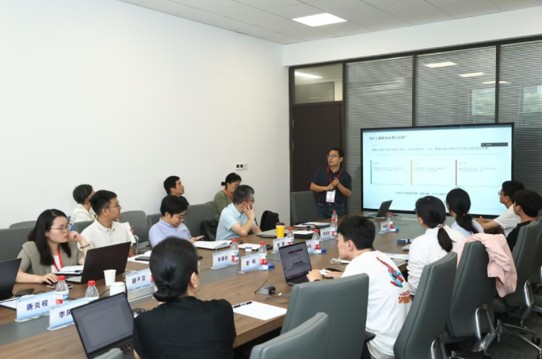
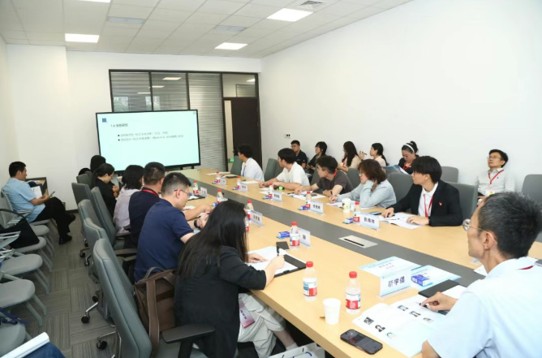
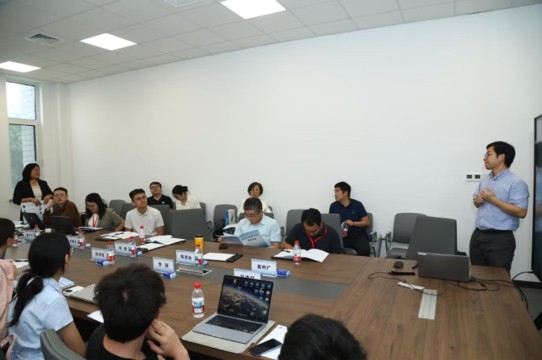
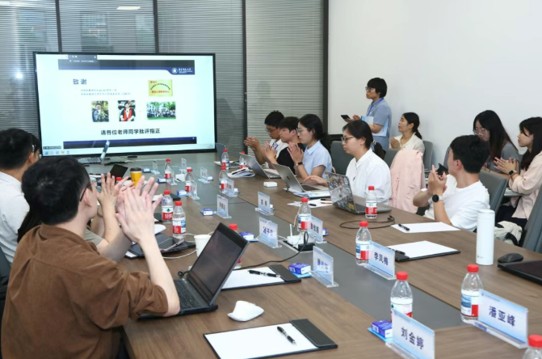
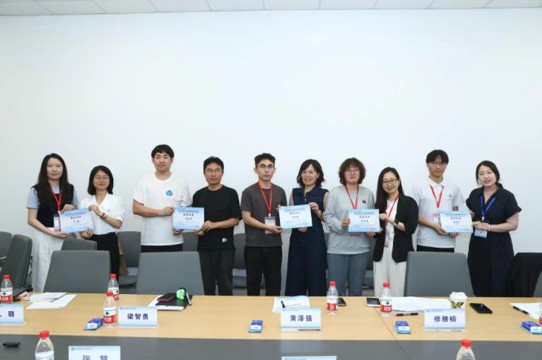
The conference built a high-quality platform for in-depth exchange between discipline inspection and supervision practitioners and the psychology community, opening a two-way channel between theoretical research and anti-corruption practice. It set a clear direction for the interdisciplinary development of anti-corruption psychology and fully reflected Liaoning University’s academic commitment to responding to the trends of the times, shouldering its responsibilities, upholding principles through diligent practice, and serving the country through scholarship.
Looking ahead, government, industry, universities, and research institutions will continue to deepen interdisciplinary collaboration, improve the anti-corruption psychology research system, and use the professional strengths of psychology to strengthen the ideological bulwark against the desire to be corrupt. These efforts will inject solid disciplinary momentum into advancing the Party’s self-reform and achieving long-term governance in the fight against corruption.
Translated by: Tan Ruomeng
Edited by: Gao Mengdi, Liu Hanlin
Proofread by: Li Zhibin
Reviewed by: Jin Jinghua